



Across the UK, the role of uniforms and workwear is changing. What was once a practical necessity — or a basic logo on a polo shirt — has become something more considered. Today, wearable branding plays a central role in how businesses present themselves, support their teams, and create a consistent, professional image.
For organisations reviewing their uniforms, branded workwear, or staff clothing, this shift raises important questions: what should our workwear say about us, and how do we make sure it actually works for the people wearing it?
Wearable Branding: More Than a Logo
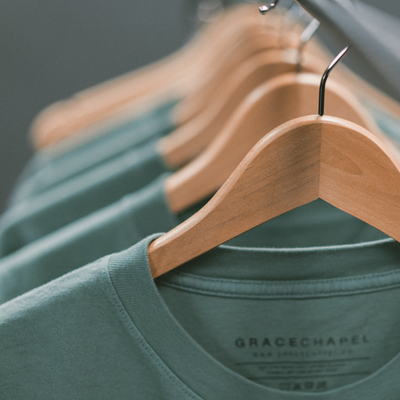
Wearable branding refers to workwear and uniforms designed with branding built in from the start, rather than added as an afterthought. This includes garments chosen for comfort, durability, and suitability for the job — with logos, colours, and finishes that reflect the business itself.
In practice, this might look like:
Embroidered polos or shirts for customer-facing teams
Branded hoodies or sweatshirts for hybrid or mobile staff
Personalised jackets, fleeces, or gilets for outdoor work
Hi-vis workwear with clear, durable branding
Coordinated uniforms across multiple roles or locations
The key difference is intention. Wearable branding works best when clothing is chosen to be worn regularly — not just issued, but used.

Why UK Businesses Are Rethinking Workwear
A More Professional, Consistent Appearance
In many UK industries, customers now expect staff to be clearly identifiable and consistently presented. Branded uniforms help remove uncertainty, particularly in sectors such as construction, facilities management, logistics, retail, and hospitality.
A well-considered uniform:
Makes teams easier to recognise
Supports a professional first impression
Creates visual consistency across sites or locations
Helps reinforce brand identity without being intrusive
For growing businesses, this consistency becomes harder to maintain without a clear approach to workwear.

Comfort and Practicality Matter More Than Ever
Workplaces have changed, and so have expectations around comfort. Many organisations are moving away from rigid, one-size-fits-all uniforms towards more flexible, wearable options.
Common choices now include:
Layered workwear that suits different environments
Branded clothing that works both on-site and off-site
Softer fabrics and modern fits employees are comfortable in
When people are comfortable in what they’re wearing, they’re more likely to wear it consistently — which is when branding does its job naturally.
Workwear as a Long-Term Investment
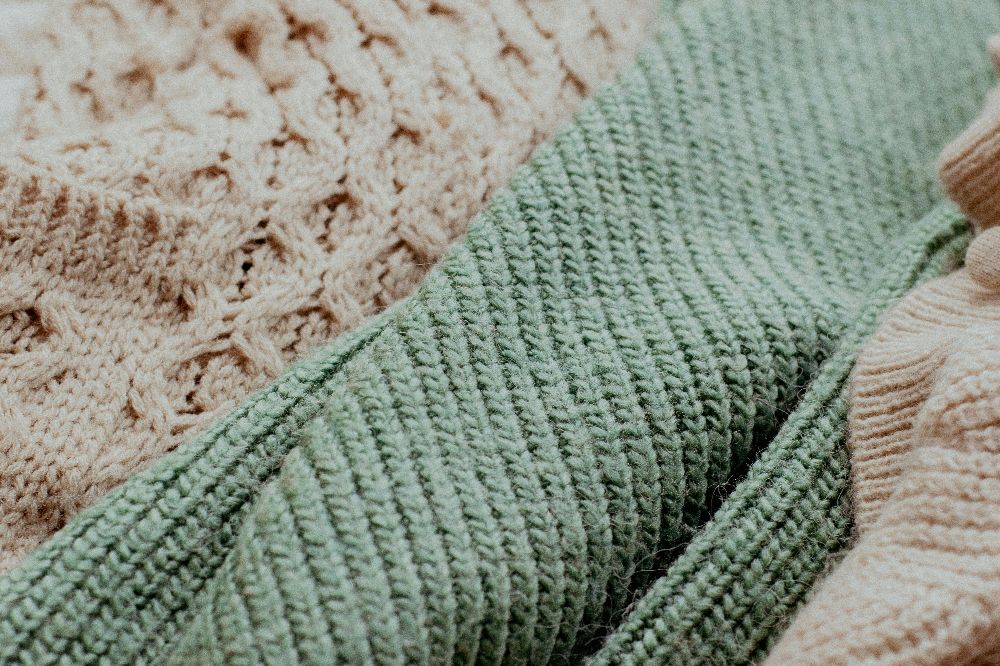
Unlike short-term promotional items, branded workwear is designed to last. A quality jacket, hoodie, or embroidered polo may be worn weekly — sometimes daily — for years.
This long lifespan is one reason many UK businesses are reassessing what they buy:
Fewer items, but better quality
Branding methods that withstand regular washing
Garments that hold their shape and colour over time
Thinking long-term often leads to better value, even if the initial cost is higher.
Sustainability and Responsible Choices
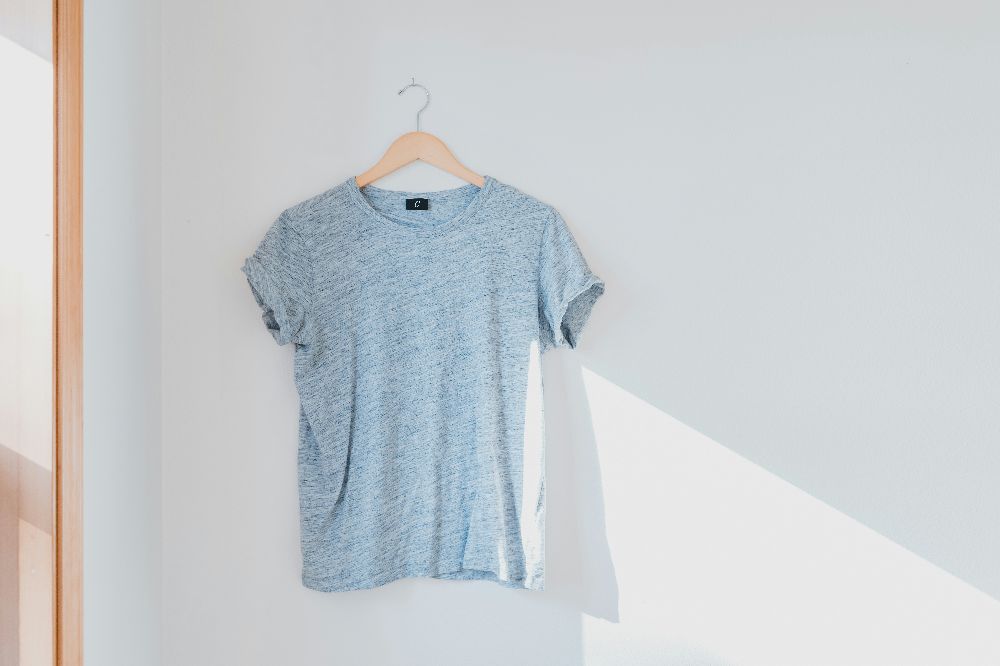
Sustainability is now part of most conversations around uniforms and workwear in the UK. Businesses are increasingly looking for clothing that aligns with their wider values, not just their branding.
This might involve:
Choosing more durable garments to reduce replacements
Considering organic or recycled fabrics
Sourcing ethically produced workwear
Reducing waste by ordering more thoughtfully
Wearable branding fits well with this mindset — clothing that’s worn regularly and lasts longer naturally creates less waste.
.jpg)
Different Industries, Different Needs
There’s no single solution when it comes to branded workwear. What works for one business may not suit another.
Construction and trades often prioritise durability, hi-vis compliance, and embroidery that lasts
Office and corporate teams tend towards smart casual uniforms and branded outerwear
Retail and hospitality focus on consistency, colour matching, and ease of care
Logistics and warehousing require practical garments with clear branding and visibility
Understanding how and where clothing will be worn is just as important as how it looks.

Branding Methods That Stand Up to Daily Wear
For uniforms and workwear, branding needs to be practical as well as visual.
Embroidery is often chosen for logos on polos, jackets, fleeces, and caps due to its durability and professional finish
Print can work well for larger designs or lightweight garments, particularly where flexibility or budget is key
The right choice usually depends on the garment, how often it will be washed, and the impression the business wants to create.
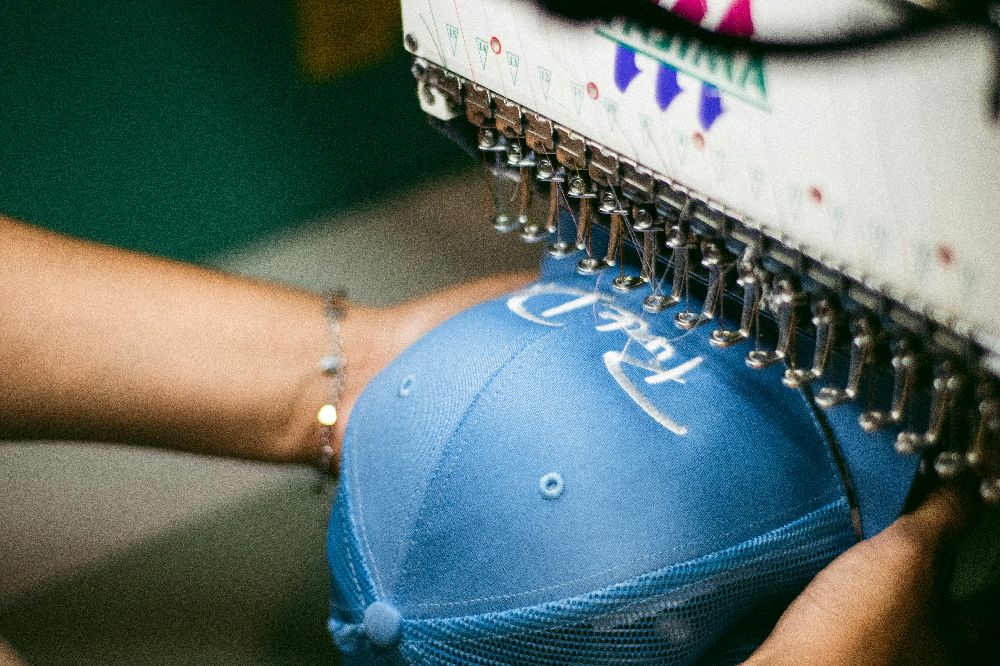
Choosing Workwear That Works for Your Team
As wearable branding becomes more central to the UK workplace, many businesses find it helpful to step back and review their approach:
Are current uniforms comfortable and practical?
Do they reflect the business as it is now?
Will they still work as the team grows?
Are they easy to reorder and keep consistent?
Answering these questions early can make the process of choosing or updating branded workwear far smoother.
Looking Ahead
The rise of wearable branding isn’t about following a trend — it reflects a broader shift towards more thoughtful, functional, and consistent workwear in UK businesses.
Uniforms and branded clothing are no longer just about ticking a box. When chosen well, they support teams, strengthen brand identity, and quietly do their job day after day.
For organisations considering their next step in uniforms or workwear, wearable branding offers a practical place to start — and a foundation that can evolve as the business does.
👉 Need help choosing the workwear for your staff? Get in touch today — we’ll help you stand out for all the right reasons! Email: sales@sparkmerchandise.com or Tel: 01423 391 224
